

When does the CMR Convention apply?
The CMR Convention applies to road freight transport for reward when the place of collection and the place of delivery are located in two different countries, and at least one of them is a contracting state—which includes almost all European countries.
What information must be included in the CMR waybill?
- Sender, consignee, and carrier, as well as the collection and delivery locations with corresponding dates.
- Description of the goods, number of packages, and gross weight or quantity.
- The consignment note is issued in three original copies: one for the sender, one for the consignee, and one for the carrier.
Carrier Liability
Under the CMR Convention, carrier liability for loss or damage is generally limited to 8.33 Special Drawing Rights (SDR) per kilogram of gross weight. For high-value goods, taking out additional cargo insurance is recommended.
Get quotes now
Post your shipment for free, compare bids and pay securely via escrow.
Frequently asked questions
Do private individuals need a CMR waybill?
The CMR consignment note is typically issued by the transport company. It is important that your cargo details are accurate and complete, and that you sign the document upon handover.
What rules apply to domestic transports within Germany?
Domestic road freight transport in Germany is governed by the German Commercial Code (HGB). While a formal consignment note is not legally mandatory there, it is standard industry practice.
Popular routes
More guides

Pallet Shipping – The Complete Guide
Shipping a Euro pallet: dimensions, maximum weight, correct packaging, and how to compare pallet shipping quotes.

Furniture Transport & Delivery
Sofa, wardrobe, or online marketplace find: How to safely transport furniture, prepare it for shipping, and find the right transport provider.

Car Transport Services
Transport your vehicle via car carrier or trailer: process, preparation, required documents, and how to compare quotes for your car transport.
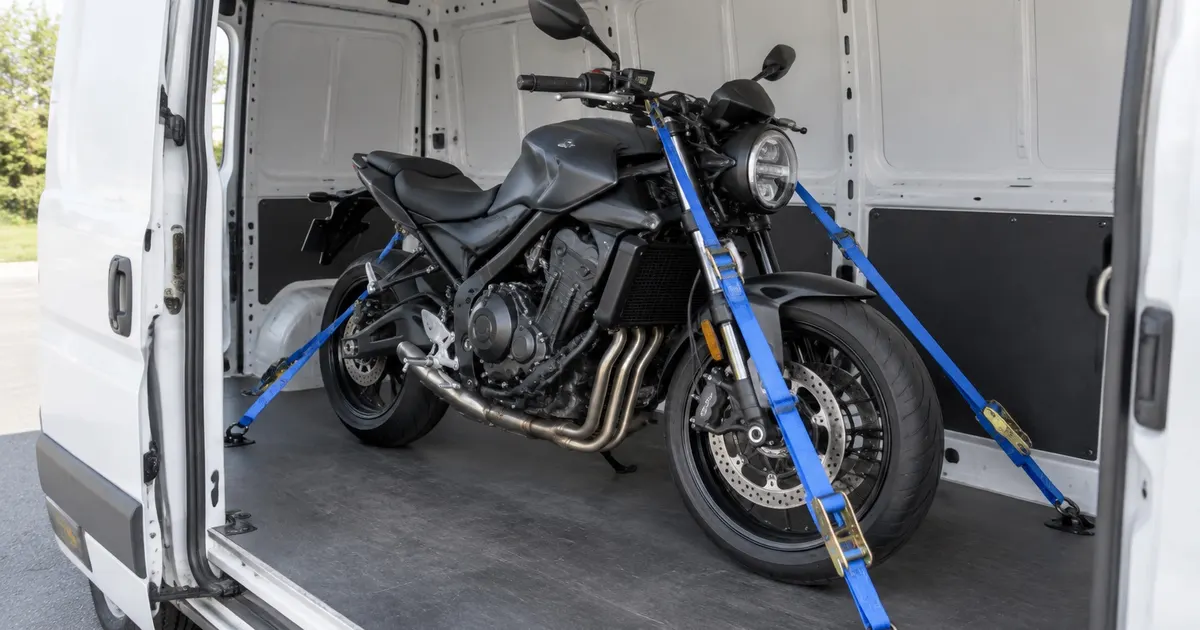
Motorcycle Transport Services
Ship a motorcycle, scooter, or quad bike: proper securing, preparation, and comparing quotes from transport companies.

Part Load Shipping – Ship for Less by Sharing Space
Part load shipping explained: How carriers use spare capacity, which shipments it's ideal for, and what you need to keep in mind.

Find the Right Freight Forwarder
Freight forwarder, carrier, or courier? Here’s how to find the right transport partner and compare quotes fairly and transparently.